
Did you know April is Autism Acceptance Month? First held in 1972 by the Autism Society, Autism Acceptance Month emphasizes the need for public awareness to promote acceptance, celebrate differences, and be more inclusive towards the autistic individuals around us. Autism advocate Temple Grandin has stated to solve real-world issues, “the world is gonna need all the different kinds of minds to work together”. To learn more about your Neurodiverse counterparts or perhaps yourself, check out this list of science-based non-fiction and own voices memoirs. Maybe together we can begin to foster a world of understanding, problem-solving, and support for all who inhabit it.
*Please note: Asperger’s Syndrome has traditionally been considered a ‘milder’ form of Autism. The current edition of the Diagnostic and Statistical Manual of Mental Disorders, which is a diagnostical guide for mental health professionals, lumps both Asperger’s Syndrome and Autism together under the umbrella of Autism Spectrum Disorder (ASD). However, this change happened only 10 years ago. There are people in the autistic community who feel like Asperger’s Syndrome correctly describes their diagnosis and who they are as a person. Because of this and the recent changes to the DSM, the term Asperger’s Syndrome is used in this list.*
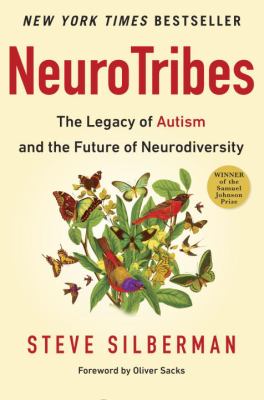
NeuroTribes: the Legacy of Autism and the Future of Neurodiversity by Steve Silberman
A Baillie Gifford Prize winner, this accessible piece of science writing reveals the untold story of the father of Asperger’s Syndrome and other unknown aspects of Autism history. Weaved into the historical accounts of clinical work and theories are a plethora of sympathetic stories of parents and their Autistic children. Silberman argues for the concept of neurodiversity, comments on the emergence of Autistic-run organizations, and a growing civil rights movement that seeks to help Autistic people and their families live productive and secure lives.
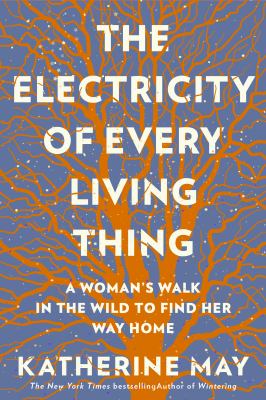
The Electricity of Every Living Thing: a Woman’s Walk in the Wild to Find Her Way Home by Katherine May
Katherine May recounts her time spent walking the 630-mile South West Coast Path in England, and all the challenges that came with it. Amongst this backdrop, May questions why she stopped coping with everyday life, her struggles with motherhood, and why she can’t meet others’ expectations. The farther she walks the more the answer begins to unfold, until she comes to the realization that she has Asperger’s Syndrome. May then re-evaluates her life, comes to terms with her diagnosis, and allows herself to be who she is.

Funny, You Don’t Look Autistic: a Comedian’s Guide to Life on the Spectrum by Michael McCreary
McCreary was diagnosed with Autism Spectrum Disorder at age five, not long after his younger brother. His memoir shows the hilarious sides of growing up with sensory issues, hypersensitivity, fixations, and quirks. It also documents his difficulties navigating school, friendships, and relationships with girls. These experiences lead to a journaling habit that turned his pain into something empowering and funny. Using this and his urge to perform, McCreary scored his first stand-up gig at 14 and hasn’t looked back.

Unmasking Autism: Discovering the New Faces of Neurodiversity by Devon Price, PhD
Thought-provoking and candid, Price explores the phenomenon of masking. You might be asking what masking is. Masking is when Autistic people hide their identifiably Autistic traits to fit in. Price, a social psychologist, professor, and proud Autistic person, encourages Autistic people to embrace a new understanding of themselves. This book is great for Autistic folks who want to learn to unmask (helpful exercises are housed within) and for those wanting to understand their Autistic friends and family.
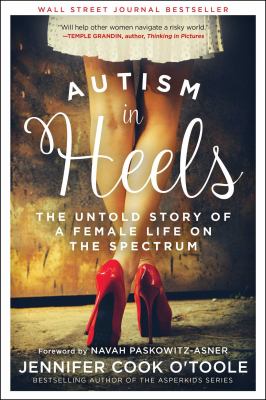
Autism in Heels: the Untold Story of a Female Life on the Spectrum by Jennifer Cook O’Toole
This memoir dives into the life of Jennifer O’Toole, who at the age of thirty-five was diagnosed with Asperger’s Syndrome. While this came as a shock, for the first time in her life things made sense. Geared towards girls and women on the spectrum, this book looks at the gendered ways in which Autism presents itself by using examples from her life. *Diagnostic tools have long reflected traits more prevalent in men and boys, which leads to women and girls being under or misdiagnosed* It also aims to help others view Autism as “a neurological, not pathological, profile”.