
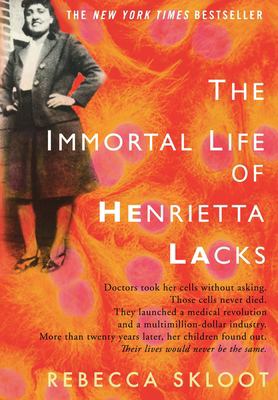
The Immortal Life of Henrietta Lacks by Rebecca Skloot
How is it possible that a sample of someone’s cells could lead to the most important advances in science without the world knowing their name? How could these cells launch an industry worth billions without their family receiving any profit? An absolute must-read, the shocking story of Henrietta Lacks confronts readers with issues of consent, ownership, and morality in the medical and scientific fields, and ensures that her name and the legacy of her contributions to science will live on.
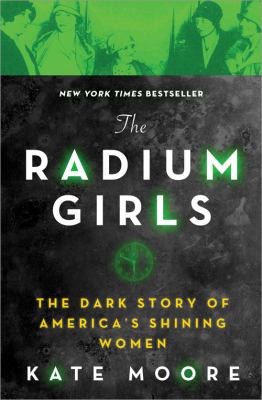
The Radium Girls by Kate Moore
After its discovery by Pierre and Marie Curie, radium was marketed as a miracle cure and used extensively in everyday products from paint to cosmetics. Around World War 1, many young women considered themselves fortunate to have jobs painting watch dials with glowing radium paint…until they started to develop strange symptoms. The Radium Girls illuminates the lives of these brave women who found the strength to battle for workers’ rights and lay the groundwork for modern health and safety regulations, even as their bodies were being eaten away by radium.
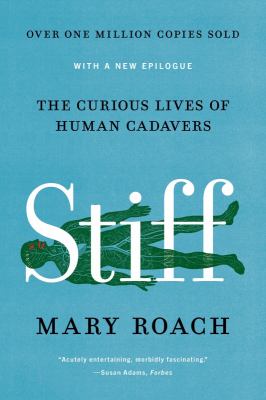
Stiff: The Curious Lives of Human Cadavers by Mary Roach
Cadavers have contributed to many great scientific strides: through experimentation, dissection, and decomposition, scientists can study aspects of the natural world without risking lives. Stiff highlights specific uses for cadavers, from testing France’s first guillotines to analyzing plane crash sites, in order to examine ethical and moral issues related to postmortem bodies, and highlight the ways our lives have been quietly improved thanks to the dead.
Seven Brief Lessons on Physics by Carlo Rovelli
There aren’t many of us who would voluntarily pick up a Physics book, but this book might be the exception. Not many people would voluntarily pick up a physics book, but this one might be an exception. In less than one hundred pages, Seven Brief Lessons in Physics offers a refreshingly playful introduction to modern physics, with simple explanations of Einstein’s general relativity, quantum mechanics, elementary particles, gravity, black holes, the complex architecture of the universe, and the role of humans in this fascinating world. To quote Rovelli, “Here, on the edge of what we know, in contact with the ocean of the unknown, shines the mystery and the beauty of the world, and it’s breathtaking.”
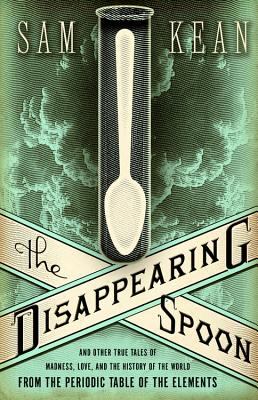
The Disappearing Spoon and Other True Tales of Madness, Love and the History of the World from the Periodic Table of Elements by Sam Kean
Behind the seemingly dull periodic table lie fascinating tales of treachery, obsession and adventure. The Disappearing Spoon takes a fun and humorous approach in its look at the development of the table and the history of the mad scientists who discovered the elements. This lighthearted book would make a great, if somewhat unusual, beach read.