
Fires. Floods. Blizzards. Plagues. Ship sinkings. The month of May marks the anniversaries of several great tragedies in history.
May 7, 1915: A German U-boat sinks the British ocean liner Lusitania, resulting in the deaths of 1,198 people.
May 6, 1937: The Hindenburg bursts into flames while landing in Lakehurst, New Jersey.
May 4, 1970: The Ohio National Guard kills four unarmed students and wounds nine others during an anti-Vietnam War protest.
May 18, 1980: Mount St. Helens erupts. The eruption was one of the greatest volcanic explosions ever recorded in North America, killing 57 people and destroying the mountain’s volcanic cone.
Brush up on your history by reading one of these curated titles covering tragedies in history.

Dead Wake: The Last Crossing of the Lusitania by Erik Larson
Using diaries, intelligent reports, letters, and other historical documents, Larson’s nonfiction account of this important World War I event reads a more like a thriller suspense novel. Dead Wake details the fatal last crossing of the British ocean liner the Lusitania in May 1915 while switching between perspectives of the boat’s passengers and the captain of the German U-boat.

The Indifferent Stars Above: The Harrowing Saga of a Donner Party Bride by Daniel James Brown
This account of the infamous Donner Party humanizes the group by following one of its members, new bride Sarah, as she, her new husband, her parents, and eight siblings head west for a better life. Their group joins the Donner party and is trapped in the mountains with them when heavy snowstorms prevent the group from reaching California. What follows are horrific hardships and decisions: eating their dead in order to survive.
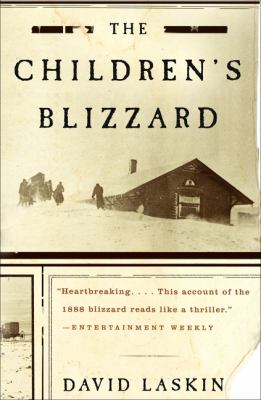
The Children’s Blizzard by David Laskin
January 12, 1888, began as an unseasonably warm morning across Nebraska, the Dakotas, and Minnesota, the weather so mild that children walked to school without coats and gloves. But that afternoon, without warning, the atmosphere suddenly, violently changed. One moment the air was calm; the next the sky exploded in a raging chaos of horizontal snow and hurricane-force winds. Temperatures plunged as an unprecedented cold front ripped through the center of the continent. By Friday morning, January 13, some five hundred people lay dead on the drifted prairie, many of them children who had perished on their way home from country schools.
The Only Plane in the Sky: An Oral History of 9/11 by Garrett M. Graff
The Only Plane in the Sky recounts the day of September 11, 2001 using “the words of those who lived it.” Graff uses oral histories, interviews, declassified documents, and more from almost 500 individuals from the events of that fateful day that results in a moving tribute to the lives lost and changed forever.
Midnight in Chernobyl: The Untold Story of the World’s Greatest Nuclear Disaster by Adam Higginbotham
The Soviet government concealed the seriousness of the explosion of the Chernobyl Nuclear Power Plant on April 26, 1986, which has led to deadly and long-lasting consequences. Higginbotham uses recently declassified documents and eyewitness testimony to create what is considered “the first English-language account that is close to the truth” of the deadliest and most expensive nuclear disaster in history.
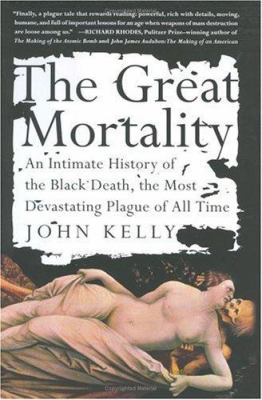
The Great Mortality: An Intimate History of the Black Death, the Most Devastating Plague of All Time by John Kelly
In the mid 1300s, a bacterium that thrived in fleas carried by rats went on to kill 75 million people –around a third of the European population. Kelly makes this scary number from the Black Plague more than just a statistic: he makes it a reality as he conveys what people must have felt when they heard that hundreds were dying in a town just over from them.