Dark Academia

Embark on a literary journey that delves into the enigmatic realm of academia’s shadows and gothic literature. This curated booklist invites you to explore the haunting allure of the genre, where hallowed halls conceal secrets, mysteries, and the esoteric beauty of intellectual pursuits.

The Secret History by Donna Tartt 

Under the influence of their charismatic classics professor, a group of clever, eccentric misfits at an elite New England college discover a way of thinking and living that is a world away from the humdrum existence of their contemporaries. But when they go beyond the boundaries of normal morality they slip gradually from obsession to corruption and betrayal, and at last—inexorably—into evil.

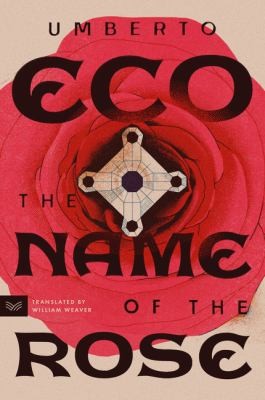
The Name of the Rose by Umberto Eco

The year is 1327. Benedictines in a wealthy Italian abbey are suspected of heresy, and Brother William of Baskerville arrives to investigate. When his delicate mission is suddenly overshadowed by seven bizarre deaths, Brother William turns detective. His tools are the logic of Aristotle, the theology of Aquinas, the empirical insights of Roger Bacon—all sharpened to a glistening edge by wry humor and a ferocious curiosity. He collects evidence, deciphers secret symbols and coded manuscripts, and digs into the eerie labyrinth of the abbey, where “the most interesting things happen at night.” 

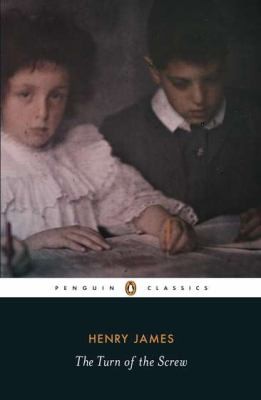
The Turn of the Screw by Henry James

In Henry James’ 1898 horror novella “The Turn of the Screw,” a young governess takes on her first job caring for two peculiar children, Miles and Flora, in a desolate estate haunted by malevolent forces. As sinister apparitions draw nearer, the governess realizes they seek to corrupt the children’s bodies and minds. To her dismay, she finds that Miles and Flora are strangely unafraid of the looming evil, desiring a connection with the supernatural just as eagerly.

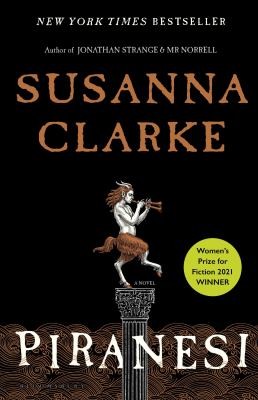
Piranesi by Susanna Clarke 

In an extraordinary, infinite house, Piranesi navigates endless corridors adorned with countless unique statues. He embraces the ocean’s rhythms within the labyrinth, fearlessly exploring every inch. His routine with The Other, focused on unlocking A Great and Secret Knowledge, is disrupted as evidence of a third presence emerges, unearthing a profound and unsettling truth about the world he thought he knew. 

Maurice by E.M. Forster 

Set in Edwardian Cambridge, this novel by a master storyteller follows Maurice Hall from his adolescence at fourteen through public school and Cambridge, and into his father’s firm. In a society marked by strict conventions, Maurice is a conventional young man in every aspect, except for his homosexuality. Written in 1913-1914 but not published until 1971, Maurice is a groundbreaking exploration of love between men, challenging societal norms and affirming the possibility of happiness in such relationships.